


2026 Guide to Sustainable Luxury Items
How craftsmanship, natural materials, and thoughtful design are redefining luxury — especially in furniture.
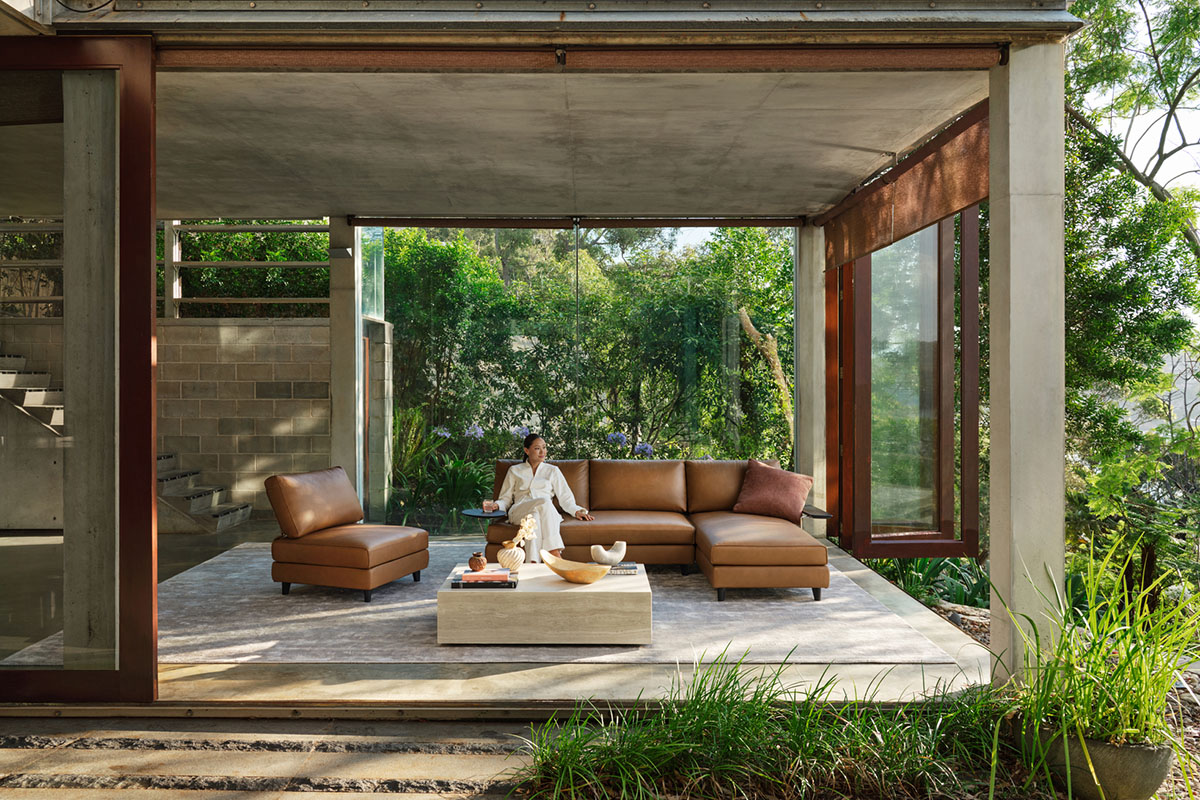
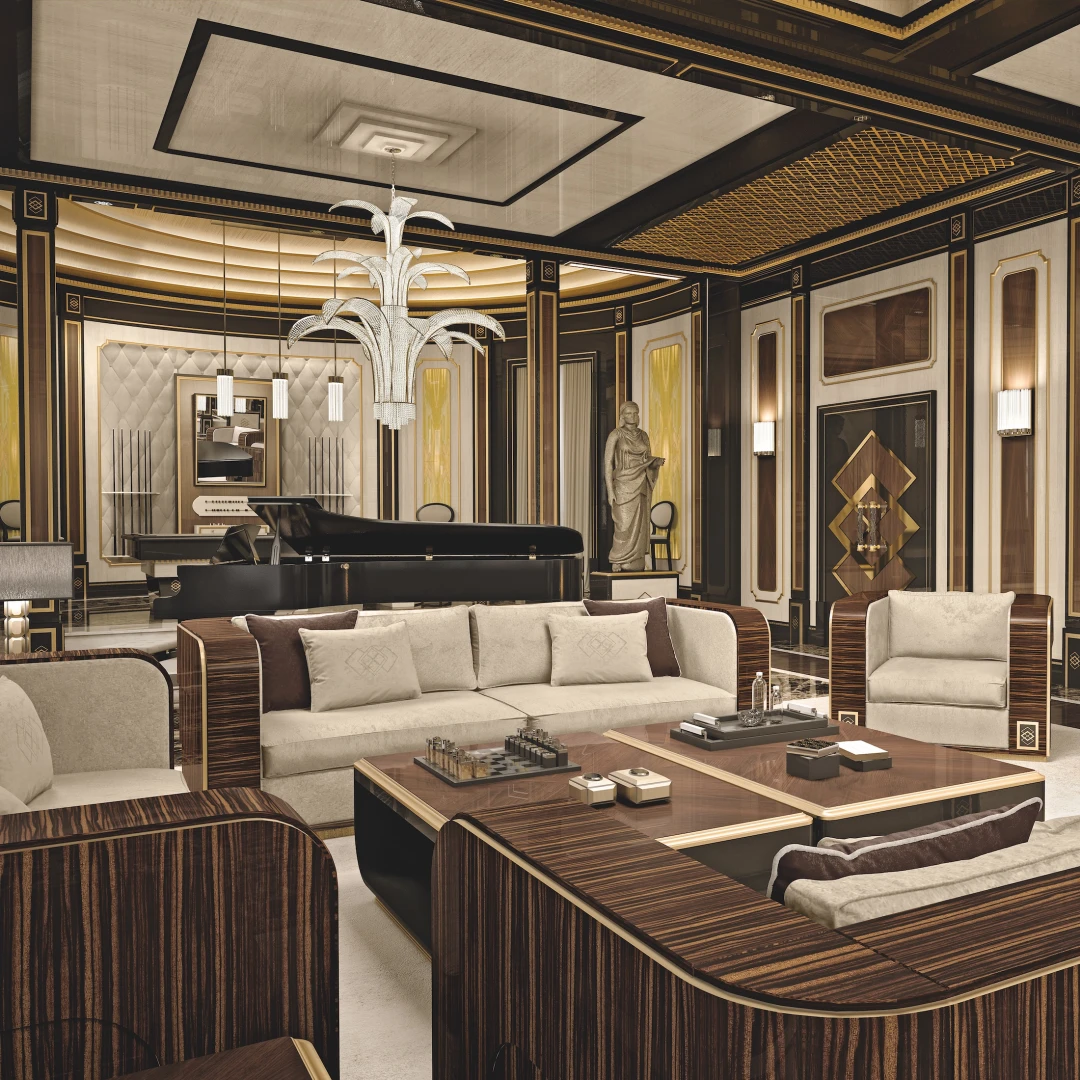
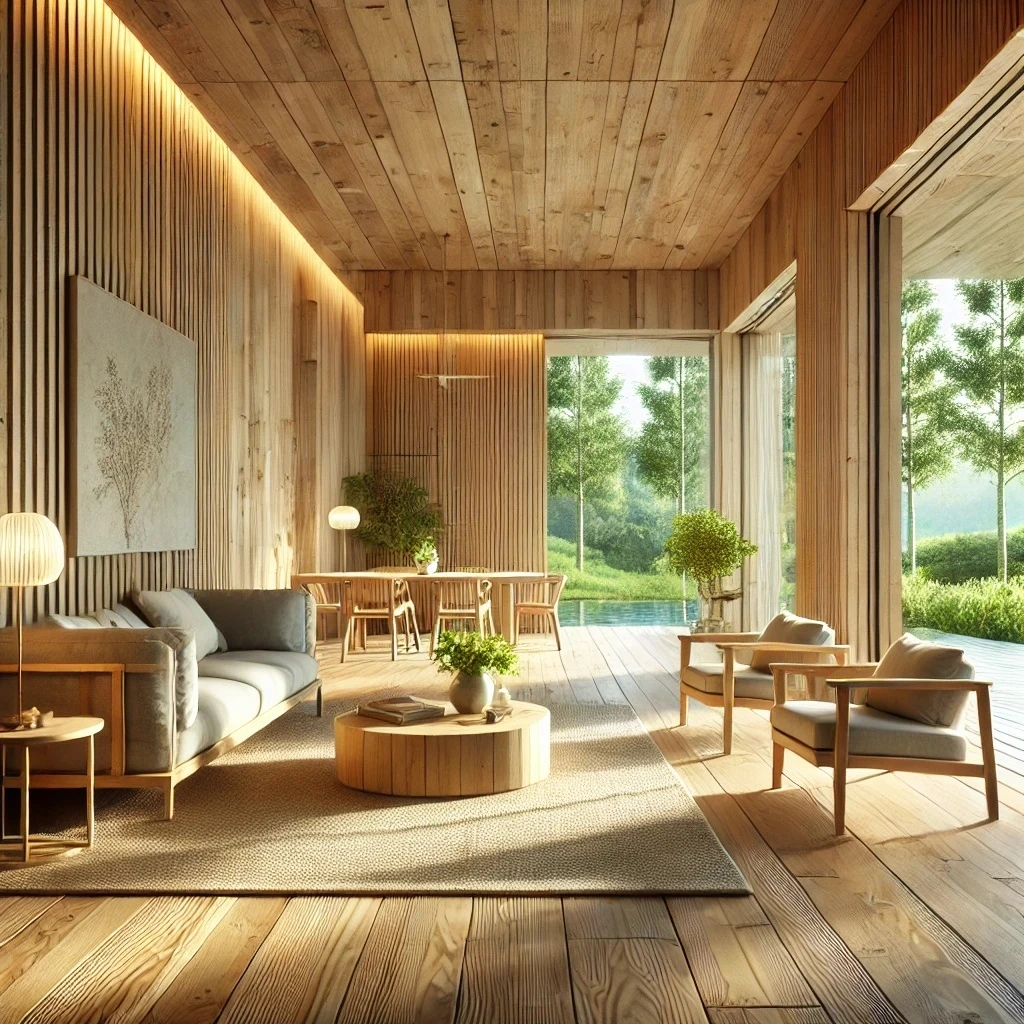
Luxury is evolving. In 2026, the definition of luxury is no longer based solely on price or exclusivity — it increasingly reflects craftsmanship, sustainability, and longevity. Consumers are choosing items that combine beautiful design with responsible production, and this trend is particularly visible in luxury furniture and home interiors.
From handcrafted wooden furniture to premium silk textiles and artisan accessories, sustainable luxury items are becoming a defining feature of modern living spaces. In this guide, we explore the key trends shaping sustainable luxury today and why luxury furniture sits at the centre of this movement.
What Defines Sustainable Luxury in 2026?
Sustainable luxury products share several defining characteristics:
1. Natural Materials
High-quality materials such as hardwood, silk, linen, marble, and natural fibres dominate sustainable luxury design.
2. Craftsmanship
Handmade or small-batch production is valued more than mass manufacturing.
3. Longevity
Luxury products are designed to last decades, not seasons.
4. Ethical Production
Responsible sourcing, fair labour practices, and environmentally conscious production methods are increasingly expected.
While these principles apply across many product categories, luxury furniture exemplifies them more than almost any other sector.
Furniture pieces often become long-term investments, forming the foundation of sustainable interior design.
Why Luxury Furniture Is the Core of Sustainable Luxury
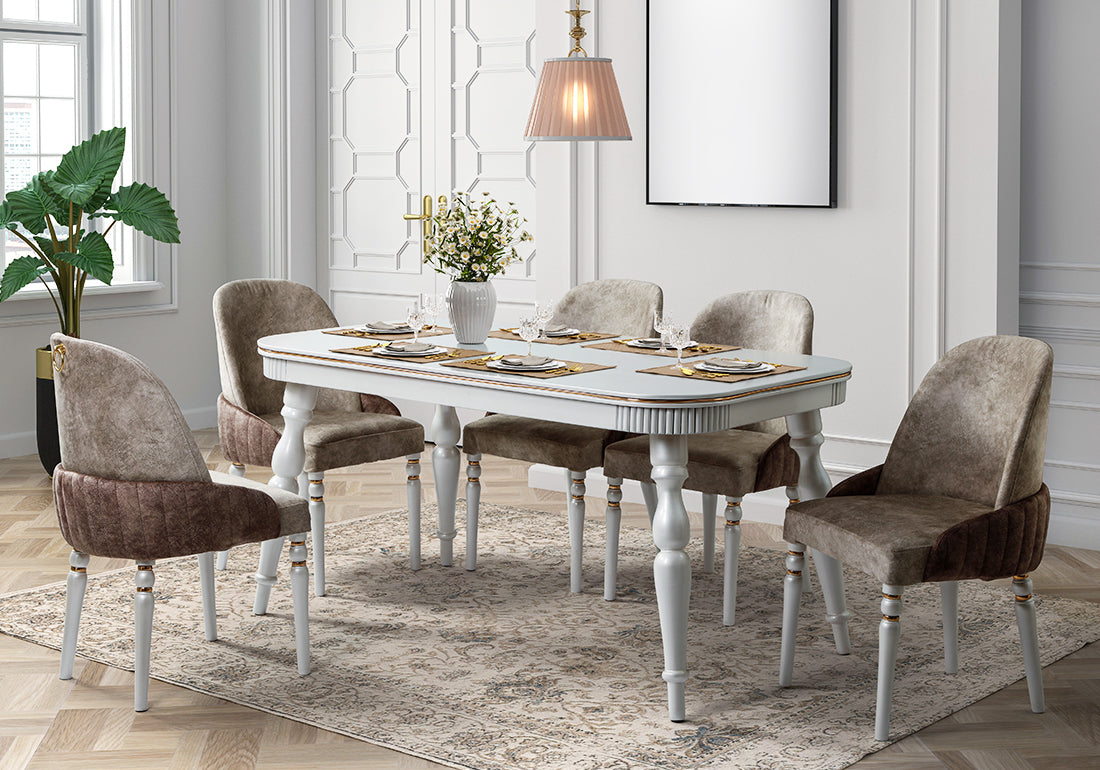
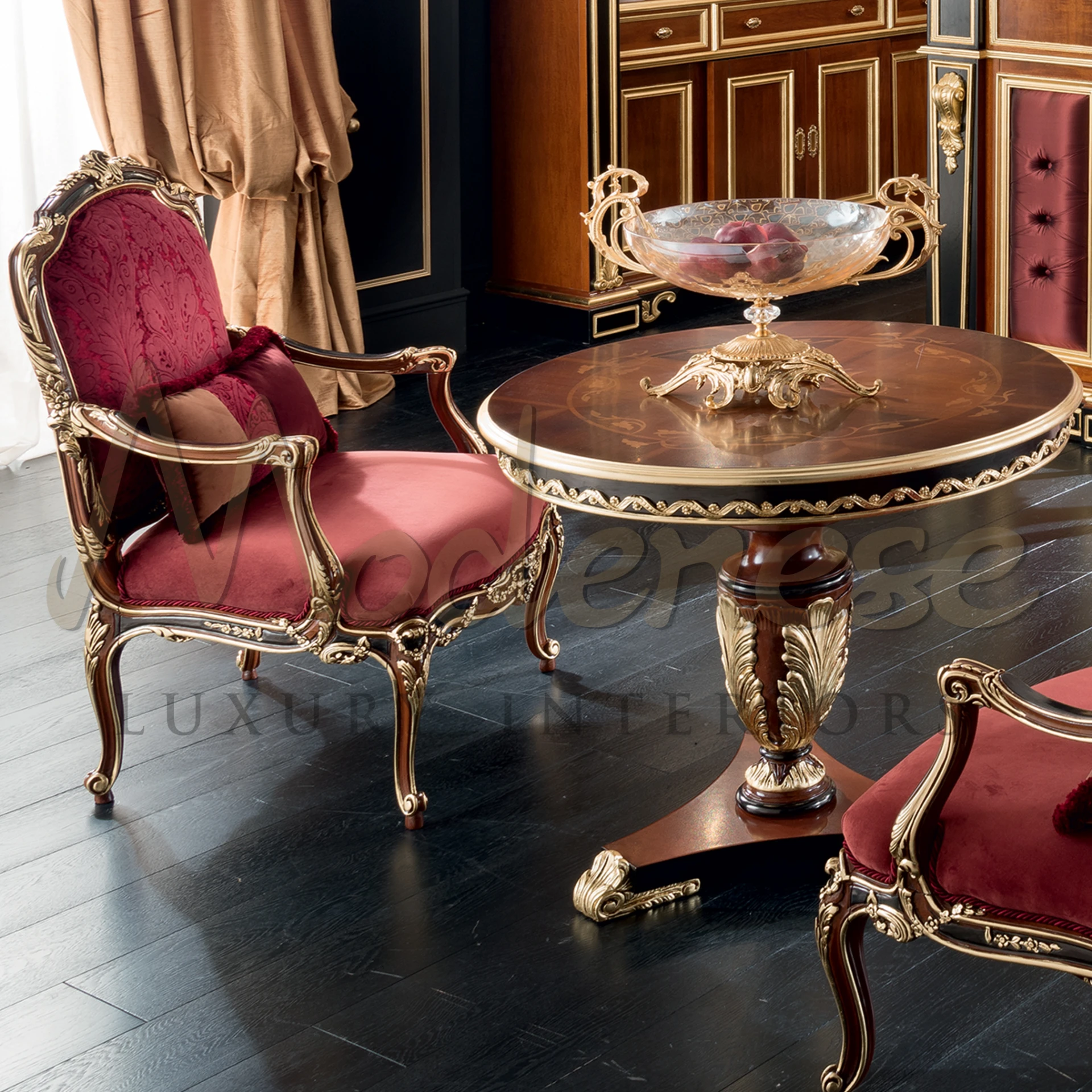
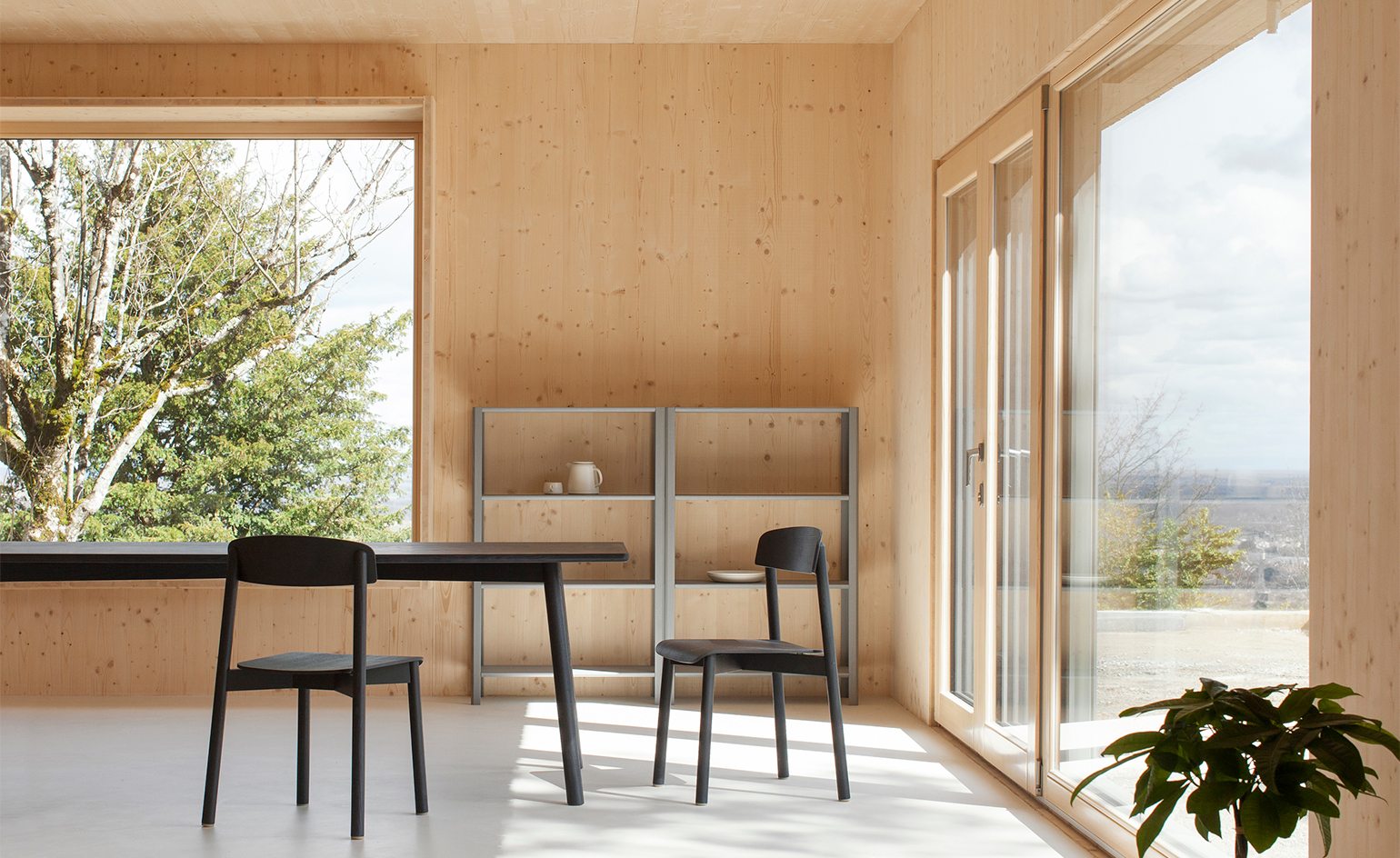
Unlike many fashion items or accessories, luxury furniture is designed to last generations. This longevity makes it one of the most sustainable luxury purchases a consumer can make.
Several factors contribute to this.
Durability
High-quality furniture made from solid hardwoods or premium materials can last decades or even centuries.
Repairability
Luxury furniture is often designed so that individual parts can be repaired or restored rather than replaced.
Timeless Design
Rather than following short-term trends, luxury furniture typically features classic forms and craftsmanship techniques that remain desirable over time.
Because of these qualities, sustainable interior design increasingly prioritises fewer but higher-quality furniture pieces rather than disposable decor.
Natural Materials Leading the Sustainable Luxury Movement


Material choice is at the heart of sustainable luxury design. The most respected luxury brands are moving away from synthetic materials and embracing natural alternatives with lower environmental impact.
Wood
Wood remains one of the most important materials in luxury furniture. When responsibly sourced, it offers:
-
exceptional durability
-
natural beauty through grain and texture
-
the ability to be repaired and refinished
Solid wood furniture is therefore one of the most sustainable investments in luxury interiors.
Silk
Silk continues to be valued in luxury interiors for upholstery, cushions, and decorative textiles. As a natural fibre, it combines elegance with biodegradability.
Linen
Linen is increasingly used in sustainable luxury interiors due to its durability and relatively low environmental impact.
Stone and Marble
Natural stone remains a hallmark of high-end interiors, particularly in luxury tables, surfaces, and statement pieces.
Although many accessories incorporate these materials, luxury furniture integrates them in ways that shape entire living spaces.
The Role of Craftsmanship in Sustainable Luxury

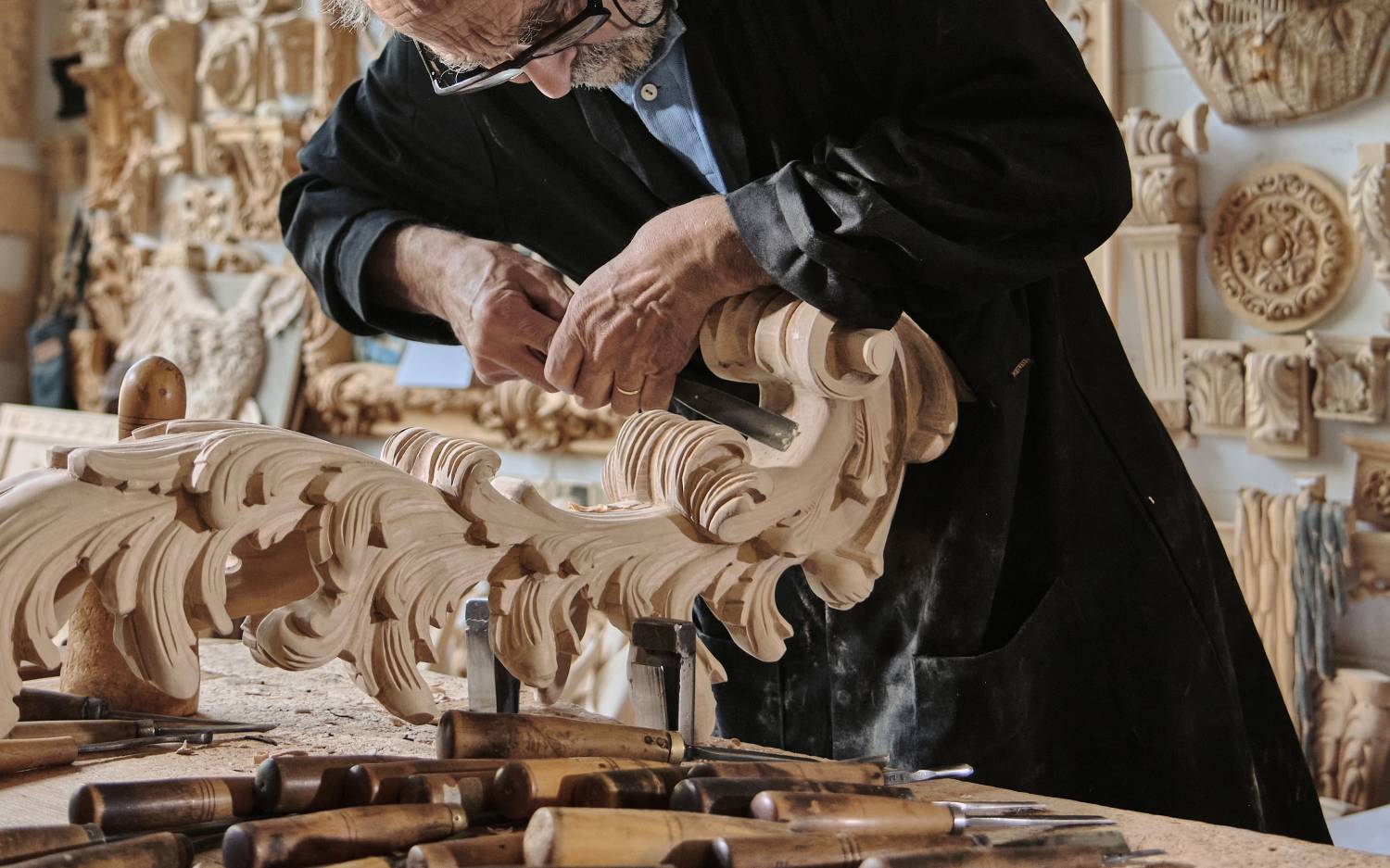
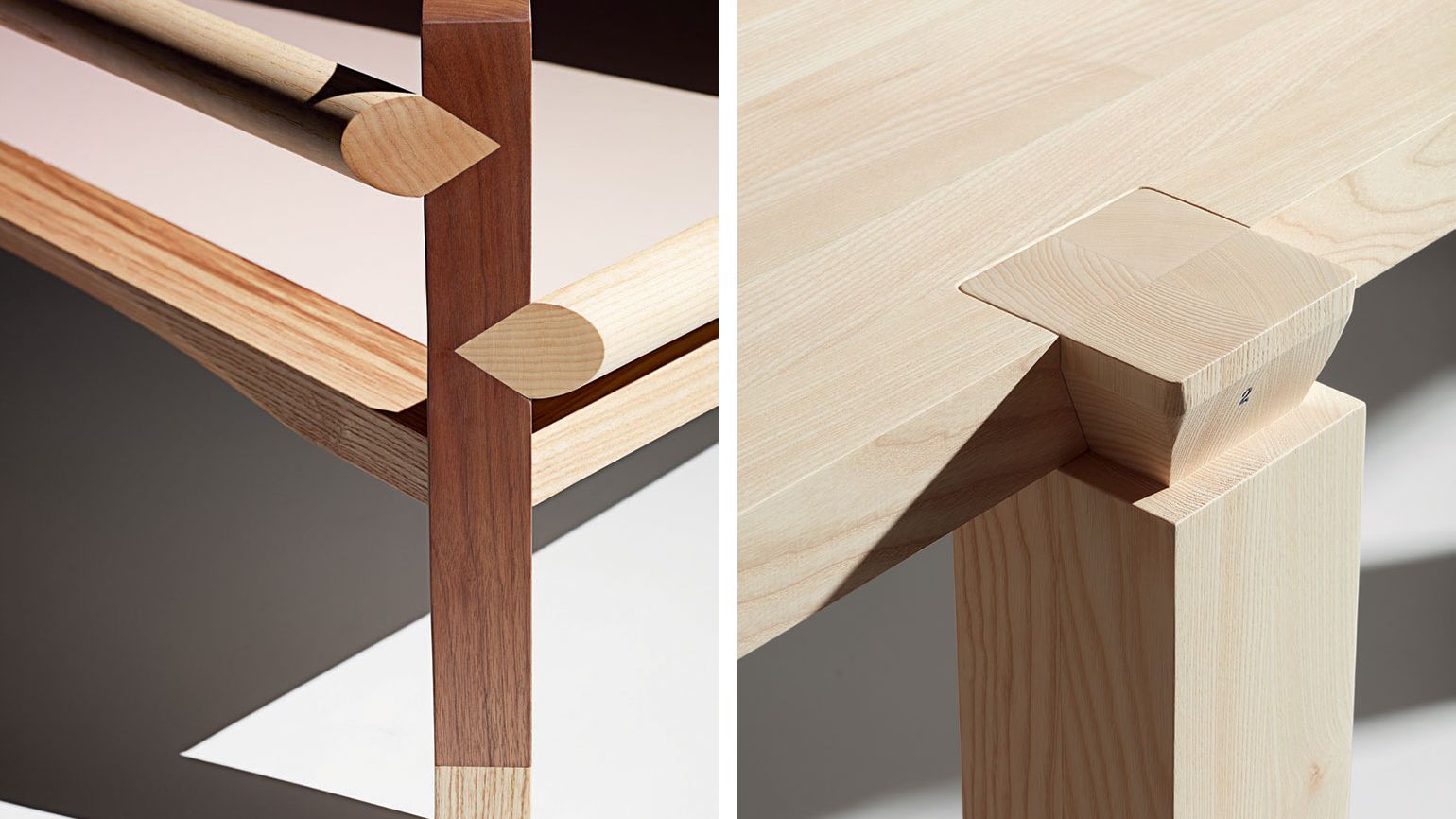
One of the strongest trends in sustainable luxury is the renewed appreciation for traditional craftsmanship.
Mass-produced furniture often relies on synthetic materials and short lifespans. By contrast, handcrafted luxury furniture prioritises:
-
traditional joinery techniques
-
solid natural materials
-
meticulous finishing
This craftsmanship produces pieces that can last for generations, reducing waste and reinforcing the value of long-term ownership over short-term consumption.
As a result, many designers and consumers now see luxury furniture as both functional design and collectible craftsmanship.
Sustainable Luxury Accessories That Complement Furniture
While furniture forms the core of sustainable interiors, a variety of luxury accessories help complete the aesthetic.
These include:
Silk Textiles
Silk scarves, cushions, and throws introduce softness and texture to interior spaces.
Wooden Decorative Objects
Handcrafted wooden accessories echo the natural materials used in luxury furniture.
Artisan Lighting
Lighting made from natural metals, glass, and wood enhances sustainable interiors.
Handmade Decorative Pieces
Ceramics, sculptures, and handcrafted items add individuality to interior spaces.
Although these accessories play an important role, they typically function as complements to furniture, reinforcing the central role of carefully chosen pieces such as dining tables, desks, cabinets, and statement chairs.
Why Consumers Are Investing in Sustainable Luxury Furniture
Several cultural and economic trends are driving demand.
Conscious Consumption
Consumers increasingly prefer buying fewer, higher-quality products.
Environmental Awareness
Furniture designed to last decades significantly reduces waste.
Design Longevity
Timeless furniture designs remain relevant across changing interior trends.
Emotional Value
Luxury furniture often becomes part of a home’s story, passed down across generations.
Because of these factors, sustainable luxury furniture has moved beyond a niche market and become a central feature of modern interior design.
Looking Ahead: The Future of Sustainable Luxury
The luxury sector in 2026 is clearly moving toward a model where design excellence and environmental responsibility coexist.
Several trends are expected to shape the coming years:
-
increased use of natural and renewable materials
-
greater transparency around sourcing and production
-
stronger emphasis on craftsmanship and durability
-
deeper integration of sustainability into luxury design philosophy
Within this landscape, luxury furniture will continue to play a defining role, providing the foundation for sustainable homes and timeless interiors.
Final Thoughts
Sustainable luxury is no longer a contradiction — it is becoming the new standard. While fashion accessories, textiles, and decorative pieces contribute to this movement, luxury furniture remains the cornerstone of sustainable living spaces.
By investing in beautifully crafted furniture made from natural materials, consumers can create interiors that combine elegance, durability, and environmental responsibility.
In the years ahead, the most desirable luxury items will likely be those that embody these values: thoughtful design, enduring craftsmanship, and a lasting connection to the natural materials from which they are made.


